Diet & Heartburn: Diet Tips To Avoid Heartburn
Occasional heartburn is one thing – it’s something many of us suffer from at some point.
But if you’re someone who experiences acid reflux and heartburn regularly after eating, you’re not just contending with on-going discomfort, you’re also faced with the limitations of your food triggers.

What is heartburn?
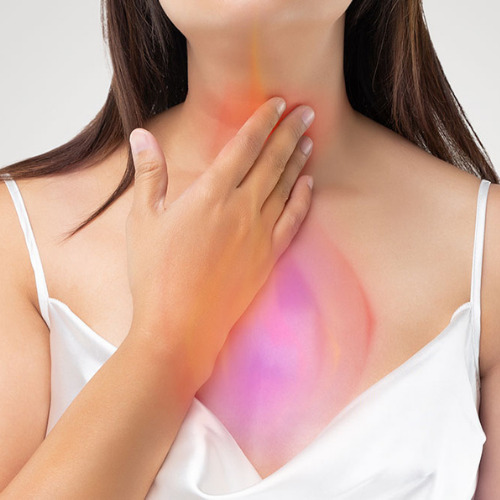
Described as a painful burning feeling in the chest* sometimes accompanied by a recurring cough or hiccups, bad breath and an unpleasant sour taste in the mouth, heartburn is a symptom of indigestion and is caused by stomach acid travelling up towards the throat.1 Heartburn and nausea also sometimes go hand in hand, alongside bloating.Gastro-oesophageal reflux disease
Ongoing heartburn is known as gastro-oesophageal reflux disease (GORD) and there’s no underestimating the impact it can have on the day-to-day life of those who suffer from it. Alongside links to certain food and drinks, other lifestyle factors which can cause or make symptoms worse include pregnancy, being overweight, smoking and stress and anxiety.1Why does heartburn occur?
Heartburn occurs when the one-way system that prevents stomach contents from entering the gullet (oesophagus) – the muscular ring which joins the oesophagus to the stomach – fails, allowing stomach acid to travel the wrong way causing the pain of heartburn.2 If you’re a regular sufferer – and around one in four UK adults are, according to digestive system charity Guts UK – it’s helpful to identify the foods that are causing or making your heartburn worse. It can be tricky to work out your food and drink heartburn triggers but keeping a food diary for a couple of weeks may help you to identify what they are.3What foods can cause heartburn?
Certain foods are more likely to cause or make heartburn symptoms worse such as:
- Fatty food – Things like fried and fast-food including pizza, burgers, crisps and chips, alongside cheese and meats such as bacon and sausage that are high in fat. This is understood to cause the lower oesophageal sphincter (LES) to relax and slow down the digestive process meaning food stays in the stomach longer which may explain why they trigger heartburn.4
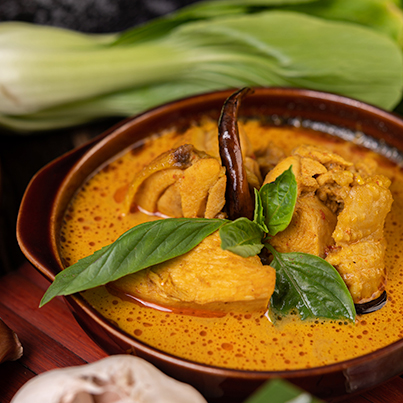
- Spicy food – Spices can irritate the digestive system 5 as can tomatoes, citrus fruits, garlic and onions1.
- Chocolate, alcohol, fizzy drinks, caffeine and mint can also cause the LES to relax and potentially aggravate any symptoms.6
If any of these foods appear to be at the root of your heartburn, it’s best to eat them in moderation or cut them out altogether.
How to avoid heartburn?
Eating smaller meals throughout the day may help and it’s generally advised to avoid eating anything within three or four hours of going to bed, particularly the types of food and drinks listed above.
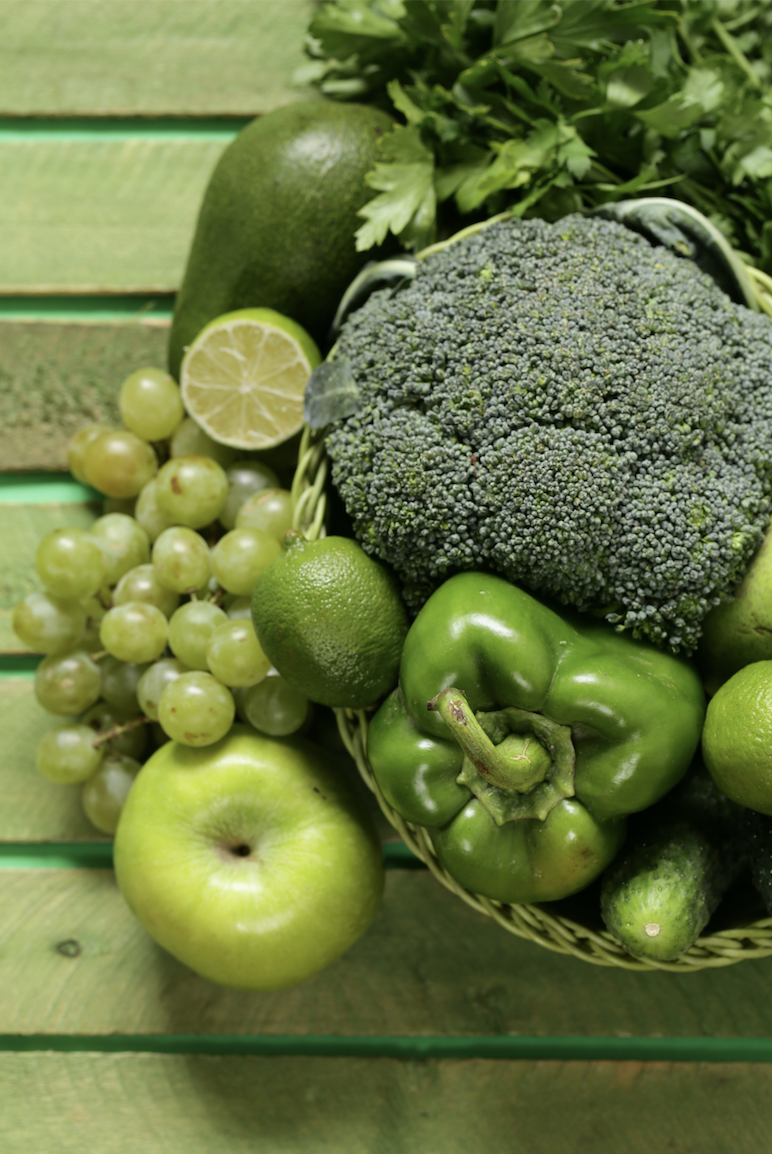
Foods that are less triggering – some of which can actually help the digestive system – include fibrous foods including wholegrains, green and root vegetables, bananas, lean meats, eggs, nuts, watermelon, ginger and probiotic-rich low-fat yoghurt.5/6
Because a diet rich in fibre is recommended for a healthy digestive system, a vegan diet may reportedly help with it being plant-based7 but heartburn sufferers still need to be cautious around triggers such as tomatoes, fats and spices.
It may seem like the joy of food has been diminished if you have GORD, but there are alternatives8 which may not only help your heartburn symptoms but also lead to a healthier diet all-round.
Instead of crisps and creamy dips or salsa try veg sticks like carrot, pepper and cucumber and scoop up something low in fat.
Swap out mayo-rich and high fat salad dressings for homemade vinaigrette or yoghurt-based versions. There’s a number of online recipes to try.
Love burgers? Try grilled chicken, fish, pork tenderloin or a turkey burger which is also low in fat and season meat with a dry rub of herbs and olive oil.
When it comes to dessert it’s hard to convince anyone to part with treats containing chocolate or cream, but a fruity low-fat crumble can be equally delicious. And who can resist seasonal fruits such as berries, peaches and melon?
Speaking to a GP about heartburn & over the counter treatment
We can all struggle making changes to our diets but when the result is feeling better and getting your you back, you’ve got to admit it’s well worth it! If lifestyle changes and medicines such as antacids aren’t helping – and you have heartburn most days for three weeks or more – speak to your GP who can provide stronger over the counter treatments such as omeprazole.1 Pyrocalm Control 20mg Gastro-Resistant Tablets contain omeprazole which is a widely used treatment for the symptoms of indigestion, including heartburn and acid reflux and works to reduce the amount of acid your stomach makes. Omeprazole can be taken by pregnant and breastfeeding women over 18 years of age.9 Find out how omeprazole works. Pyrocalm Control 20mg Gastro-Resistant Tablets (omeprazole) are used in adults for the short-term treatment of reflux symptoms (e.g. heartburn, acid regurgitation, acid reflux). Always read the label. IMPORTANT: Medicines can affect the unborn baby. Always talk to your doctor or pharmacist before taking any medicine in pregnancy. Find out where to buy Pyrocalm Control here. * You should seek medical attention if you suspect your symptoms relate to a more serious condition such as a heart attackReferences
1 https://www.nhs.uk/conditions/heartburn-and-acid-reflux/ 2 https://gutscharity.org.uk/advice-and-information/symptoms/heartburn-and-reflux/ 3 https://www.nhs.uk/live-well/eat-well/good-foods-to-help-your-digestion/ 4 https://www.hopkinsmedicine.org/health/wellness-and-prevention/gerd-diet-foods-that-help-with-acid-reflux-heartburn 5 https://opa.org.uk/heartburn-and-acid-reflux/ 6 https://www.bbcgoodfood.com/howto/guide/the-acid-reflux-diet-what-is-it 7 https://www.onegreenplanet.org/natural-health/fight-gerd-vegan-diet/ 8 https://opa.org.uk/heartburn-and-acid-reflux/ 9 https://www.nhs.uk/medicines/omeprazole/Self Care Advice

The Differences Between Heartburn and Acid Reflux

Diet & Heartburn: Diet Tips To Avoid Heartburn

Heartburn on holiday

Diet & lifestyle tips for heartburn & acid reflux

Pregnancy Heartburn Relief: How to Manage Heartburn and Acid Reflux in Pregnancy
How Omeprazole Works

Heartburn and the Science Behind it

Anxiety and Heartburn