Navigating menopause and heartburn: Tips for managing symptoms
As women journey into menopause, they can encounter all sorts of changes, both physically and mentally. One of the lesser-known challenges that can arise during this time is heartburn and acid reflux.
We know – as if there isn’t enough to cope with during this time in your life!
We understand the discomfort and inconvenience these symptoms can bring, which is why we’re here to shed some light on the link between menopause and heartburn and offer practical tips for helping to manage and prevent these symptoms.

What are the symptoms of heartburn?
Firstly, a brief recap of what heartburn actually is.
Heartburn is caused by acid reflux.
This happens when the muscular ring that joins the stomach to the oesophagus – designed to prevent stomach acid from escaping upwards – fails, allowing stomach acid to pass through into the oesophagus and towards the throat.
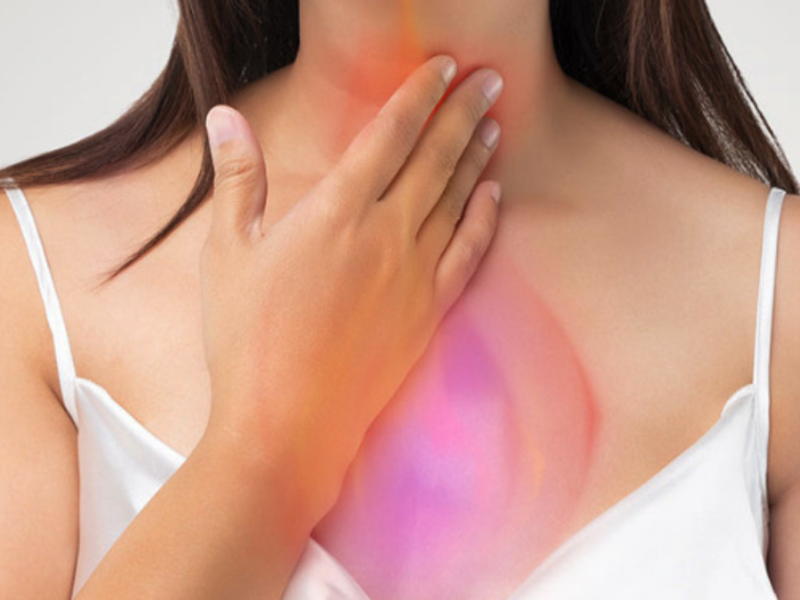
The acid can cause an uncomfortable burning sensation in the chest, usually below the breastbone, and it can be worse after eating or when lying down, which means it can flare up at night and disrupt sleep.
You might experience a sour taste in your mouth, feel bloated and sick, have bad breath and get a recurring cough or hiccups.
Can heartburn be a symptom of menopause?
Most of us get heartburn from time to time but if you’ve noticed it happening more regularly in your 40s and 50s – or around the time you enter perimenopause – it coulo be related to the menopause. Fluctuating hormone levels are thought to be the most likely reason.
We know an increase in ostrogen and progesterone can cause or make heartburn worse which explains why it’s more common in pregnancy. What isn’t yet clear is how they are linked to heartburn at a time when these hormone levels are decreasing.
Ostrogen and progesterone are both known as muscle relaxants which can hamper the effectiveness of the muscular ring, allowing stomach acio to travel upwards. Ostrogen is also known to act as an anti-inflammatory which may protect the oesophagus from acid refluxing from the stomach.
While scientists are still working on the answer to the role these hormones play in causing heartburn, studies show hormone replacement therapy (HRT) could also play a part. One study into the use of ostrogen replacement therapy showed it increased the risk of gastrosophageal reflux disease symptoms (such as heartburn) by 32%. There are also other menopause factors which can be related to heartburn.
A common symptom of perimenopause and menopause is anxiety, along with stress it’s a known trigger of heartburn and acid reflux. Hormonal changes can also cause weight gain and being overweight increases the risk of having acid reflux.

How can you avoid menopause heartburn?
Aside from other menopausal symptoms such as anxiety, stress and weight gain, what you eat can exacerbate heartburn.
Spicy or fatty food, tomatoes, citrus fruits and chocolate have all been linked to the condition.
Caffeinated drinks and alcohol can also cause or make it worse alongside smoking, various medicines such as ibuprofen or a bacterial infection in the gut.
While there’s no magic wand for preventing heartburn there are things you can do to help to reduce the risk of it happening by making a few dietary and lifestyle changes.
- Try to avoid the foods and drinks which trigger your symptoms. If you’re not sure what they are, keeping a diary for a couple of weeks can help to identify them.
- Keep meals smaller and more frequent rather than having three larger meals a day.
- Try not to eat three to four hours before going to bed.
- If heartburn is impacting your sleep, try raising the head end of your bed 10-20cm so your head and shoulders are above your waist to help stop stomach acid from travelling upwards.
- Sleeping on your left side may help to relieve acid reflux as it helps the muscular valve to contract. It can also help to digest food more effectively as the stomach is naturally positioned on the left.
- Aim to cut down on alcohol and if you smoke look to seek help from a smoking cessation service or your GP to help you quit.
- Regular exercise – even if it’s a daily walk – isn’t just good for helping to lose weight, it’s also great for boosting your mood and distracting you from stress and anxious thoughts.

When to seek help
If you keep getting heartburn, ask your pharmacist for advice.
Antacids and alginates can help to relieve symptoms in the short term but they won’t cure the root cause.
Your pharmacist may suggest stronger treatments such as omeprazole, a proton pump inhibitor (PPI) widely used to heartburn, indigestion and acid reflux treatment that reduces the amount of acid your stomach makes.
Pyrocalm Control is the first branded 20mg omeprazole available over the counter that provides up to 24-hour confidence in heartburn control.
Used for the short term treatment of reflux symptoms. It can take two to three consecutive days to see an improvement in symptoms.
Available from your local pharmacy and supermarkets – find out where to buy
If lifestyle changes and heartburn relief medicines aren’t helping and you have heartburn most days speak to your GP.
Self Care Advice

Why do I keep getting heartburn and how long should it last?

Navigating Menopause and Heartburn: Tips for Managaing Symptoms

The Differences Between Heartburn and Acid Reflux

Diet & Heartburn: Diet Tips To Avoid Heartburn

Heartburn on holiday

Diet & lifestyle tips for heartburn & acid reflux

Pregnancy Heartburn Relief: How to Manage Heartburn and Acid Reflux in Pregnancy
How Omeprazole Works

Heartburn and the Science Behind it

Anxiety and Heartburn

Stress and Acid Reflux

Can Acid Reflux and Heartburn Cause Back Pain?

Silent Acid Reflux

Lansoprazole vs Omeprazole

Tips For Managing Alcohol Consumption with Acid Reflux & Heartburn

10 tips to relieve heartburn this festive season