Heartburn in pregnancy
Heartburn is one of the most common discomforts during pregnancy, affecting many women at some point along the way.
As your body adapts to support your growing baby, hormonal changes and the growing uterus can make it easier for stomach acid to move upwards, causing that familiar burning sensation in the chest or throat.
While it can be frustrating and uncomfortable, heartburn during pregnancy is usually a normal pregnancy symptom and can often be managed with simple lifestyle changes or suitable treatment if needed.
Why does heartburn happen during pregnancy?
Heartburn is particularly common during pregnancy – often starting from late in the first trimester and becoming more common in the third trimester – because of natural changes happening in your body.
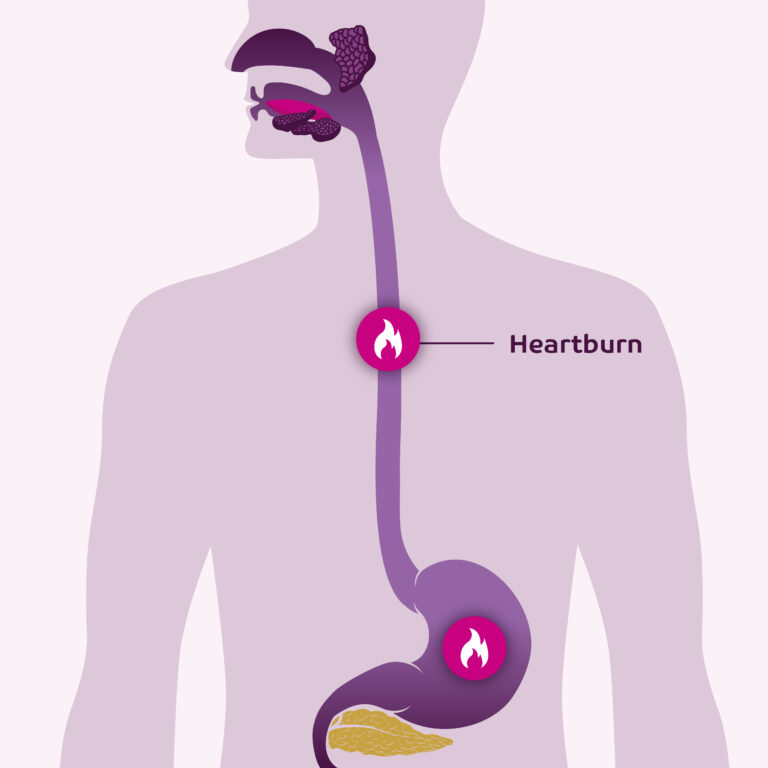
Pregnancy hormones and the relaxing of the muscular valve between your stomach and oesophagus, can cause stomach acid to rise upwards.
As your baby grows, the expanding uterus can also put extra pressure on your stomach.
Want to learn more about why heartburn happens during pregnancy and ways to manage symptoms? Read our complete guide.
What can I take for heartburn when pregnant?
If you’re wondering, ‘what can I take for heartburn when pregnant?’, you’re not alone. Heartburn is a common pregnancy symptom, and many women look for heartburn in pregnancy treatment options that can help ease discomfort and support day-to-day wellbeing.
Simple lifestyle changes can often help with managing heartburn in pregnancy. However, if symptoms persist, some women may consider antacids or alginates during pregnancy to help relieve heartburn.
Antacids neutralise acid in your stomach. Avoid taking them within two hours of taking folic acid or iron supplements as they can prevent absorption of these supplements.
Medicines containing alginates, which form a protective layer over the stomach contents to help prevent stomach acid from travelling back up into the oesophagus, can also be taken to relieve heartburn during pregnancy.
When considering antacids, alginates or other forms of heartburn medication during pregnancy, it’s important to seek advice from a health care professional.
For women seeking heartburn relief during pregnancy, speak to your midwife, GP or pharmacist about which treatment is suitable to use during pregnancy.
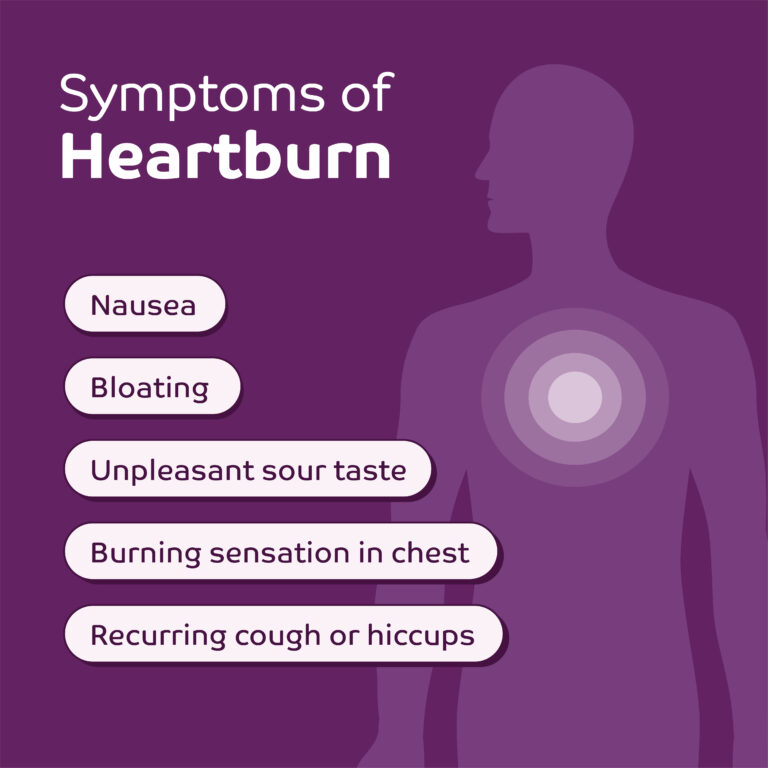
Heartburn relief during pregnancy
Finding suitable heartburn relief during pregnancy often starts with simple lifestyle and dietary changes. Eating smaller, more frequent meals, avoiding rich or spicy foods, caffeinated drinks and not lying down soon after eating can all help support managing heartburn in pregnancy and reduce discomfort throughout the day.
If lifestyle changes aren’t helping to relieve the symptoms, suitable heartburn in pregnancy treatments include omeprazole.
Omeprazole belongs to a group of medicines called proton pump inhibitors (PPIs) which helps to reduce the amount of acid the stomach produces.
One 20mg tablet daily can help to relieve and control acid reflux symptoms for up to 24 hours. It may take two to three days to see an improvement.
You shouldn’t take over the counter omeprazole for more than 14 consecutive days.
How Pyrocalm may help
Pyrocalm Control 20mg Gastro-Resistant Tablets contain omeprazole and may be suitable as part of a heartburn in pregnancy treatment plan on the advice of a midwife, GP or pharmacist when lifestyle measures and antacid treatments are not relieving symptoms.
Available over the counter it can provide effective relief from acid reflux and heartburn for up to 24 hours.
When should I speak to my GP or midwife?
Heartburn is common during pregnancy, but it’s important to seek health care professional advice before using a heartburn treatment.
You should speak to your GP or midwife if your symptoms are persistent, getting worse, or affecting your daily comfort despite trying suitable heartburn relief during pregnancy such as lifestyle changes or suitable over-the-counter options.
It’s also a good idea to ask for guidance if you’re unsure about what can I take for heartburn when pregnant, or if you’re considering antacids or alginates during pregnancy as part of your heartburn in pregnancy treatment plan.
Your health care professional can help ensure you’re using the most appropriate approach for managing heartburn in pregnancy and provide reassurance tailored to you and your pregnancy.

Try some simple steps lifestyle changes such as sitting up straight during and after eating, avoiding food and drink triggers alongside suitable antacids during pregnancy when appropriate. For ongoing symptoms, speak to a healthcare professional about pregnancy acid reflux treatment options that may help you manage discomfort effectively.
Medicines can affect the unborn baby. Always talk to your doctor or pharmacist before taking any medicine in pregnancy.
Pyrocalm Control 20mg Gastro-Resistant Tablets (omeprazole) are used in adults for the short-term treatment of reflux symptoms (e.g. heartburn, acid regurgitation, acid reflux). Always read the label.
Heartburn is common in pregnancy and it doesn’t usually affect your baby. While uncomfortable, it is usually a normal symptom of pregnancy and can often be managed with appropriate treatment if needed.
You should speak to your GP or midwife for advice before taking any heartburn treatment. If your symptoms are persistent, severe, or not improving with managing heartburn in pregnancy strategies or over-the-counter options they can help recommend the most suitable approach for your situation.
Some antacids are commonly used for heartburn relief during pregnancy, but not all products are suitable. It’s important to check with a healthcare professional before use to ensure the heartburn medication during pregnancy you choose is suitable to use.
Self Care Advice

Why do I keep getting heartburn and how long should it last?

Navigating Menopause and Heartburn: Tips for Managaing Symptoms

The Differences Between Heartburn and Acid Reflux

Diet & Heartburn: Diet Tips To Avoid Heartburn

Heartburn on holiday

Diet & lifestyle tips for heartburn & acid reflux

Pregnancy Heartburn Relief: How to Manage Heartburn and Acid Reflux in Pregnancy

How Omeprazole Works

Heartburn and the Science Behind it

Anxiety and Heartburn

Stress and Acid Reflux

Can Acid Reflux and Heartburn Cause Back Pain?

Silent Acid Reflux

Lansoprazole vs Omeprazole

Tips For Managing Alcohol Consumption with Acid Reflux & Heartburn

10 tips to relieve heartburn this festive season